2026-11-21 ·
Preventing Frozen Drains During Louisville Winters
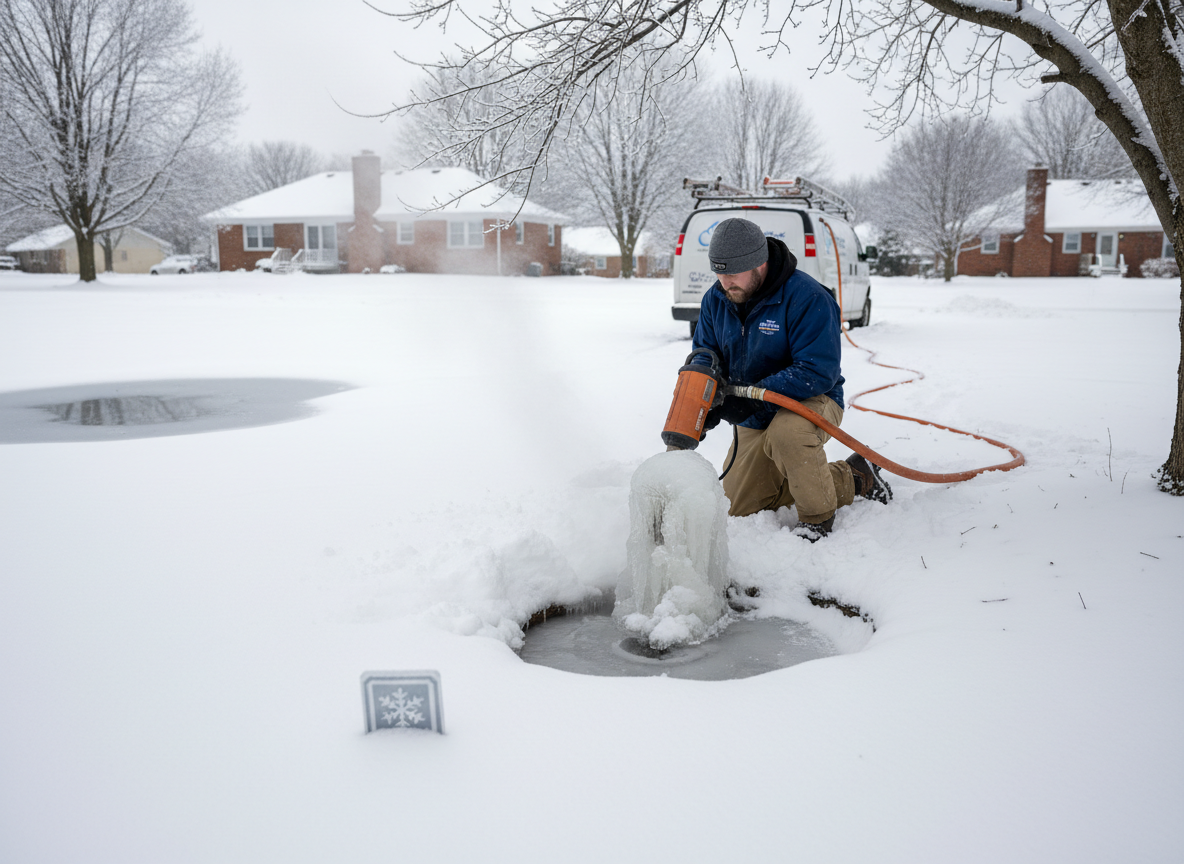
Preventing frozen drains during Louisville winters involves insulating exposed pipes, allowing a slow drip from faucets on nights when temperatures fall below freezing, and clearing debris from lines ahead of time. Kentucky's humid subtropical climate brings mild winters overall, yet overnight lows often reach the 20s, enough to freeze standing water in outdoor or poorly protected drains. Homeowners in neighborhoods like the Highlands face added risks from older plumbing that runs close to exterior walls or under unheated spaces. Starting these measures early reduces the chance of ice expansion that cracks pipes or blocks flow entirely.
Preparing Pipes for Cold Weather
Exposed pipes under sinks, in crawl spaces, and along exterior walls need foam insulation sleeves or heat tape rated for outdoor use. Wrap the material tightly around straight runs and elbows, securing it with tape so cold air cannot reach the metal or PVC. In Louisville, where winter humidity can lead to condensation followed by freezing, this layer also limits moisture buildup that worsens ice formation. Check attic and basement penetrations where pipes enter unheated areas, because even one gap allows enough cold air to freeze a trap. Walk the perimeter of the home before the first hard freeze and note any lines that run near downspouts or shaded corners that stay colder longer. Replace cracked or missing insulation immediately rather than waiting for a problem to appear. These steps keep water moving at its normal temperature and prevent the expansion that leads to bursts.
Maintaining Flow During Freezes
When forecasts call for lows in the teens, open the farthest cold-water faucet a quarter turn so a pencil-thin stream continues overnight. This constant movement stops water from sitting still long enough to freeze inside the trap or the main line feeding the drain. In homes with multiple stories, repeat the process on the highest and lowest levels to protect the entire vertical stack. Avoid shutting off the main water supply unless pipes have already frozen, because restarting flow can push ice plugs deeper. Monitor outdoor hose bibs by disconnecting hoses and installing insulated covers sold at local hardware stores. If a slow drip seems insufficient on especially cold nights, combine it with opening cabinet doors under sinks to let indoor heat reach the pipes. These habits work with the area's typical winter pattern of short cold snaps rather than prolonged subzero stretches.
Clearing Debris Before Winter
Leaves, grease, and soap residue that accumulate in the fall create narrow spots where ice forms first. Run a full cycle with hot water and a cup of baking soda followed by vinegar through every drain to loosen buildup before temperatures drop. Pay special attention to basement floor drains and those near laundry areas that collect lint and detergent residue. For main sewer lines that serve multiple fixtures, schedule a camera inspection through a service such as main sewer line cleaning to locate partial blockages that restrict flow. In older Louisville neighborhoods, tree roots often intrude near the curb, narrowing the pipe and increasing freeze risk. Removing these obstructions while the ground is still workable prevents ice from forming around the restriction. Keep gutters clear so meltwater does not pool near foundation drains and refreeze overnight.
Protecting Drains in Historic Homes
Many Louisville homes built before 1950 have cast-iron or clay lines that run closer to grade and lack modern insulation. These systems benefit from extra attention to vent stacks that can draw cold air downward. Maintaining drains in historic Louisville homes explains how to seal gaps around old cleanouts without damaging original materials. Check the cleanout caps in the yard for cracks that allow cold air to reach the line directly. Where possible, add a layer of straw or mulch over shallow sewer laterals for temporary insulation during the coldest weeks. Avoid chemical drain openers that can damage older pipes; instead rely on mechanical methods or professional drain cleaning if flow slows. These targeted steps respect the construction differences found throughout the city while addressing the same winter freeze risks.
Monitoring and Follow-Up Steps
After the first freeze, inspect accessible traps for any signs of reduced flow or unusual noises that indicate partial ice. Keep a hair dryer or space heater ready to thaw a frozen trap safely from the outside without applying direct flame. Note which fixtures are affected first, because that pattern often points to a shared section of pipe that needs additional insulation. Reapply insulation after any thaw cycle because expansion and contraction can loosen wraps. In spring, review which measures worked best and adjust for the next season. Consistent attention to these details keeps drains functional through Louisville's variable winter weather without requiring emergency intervention.