2026-11-15 ·
Maintaining Drains in Historic Louisville Homes
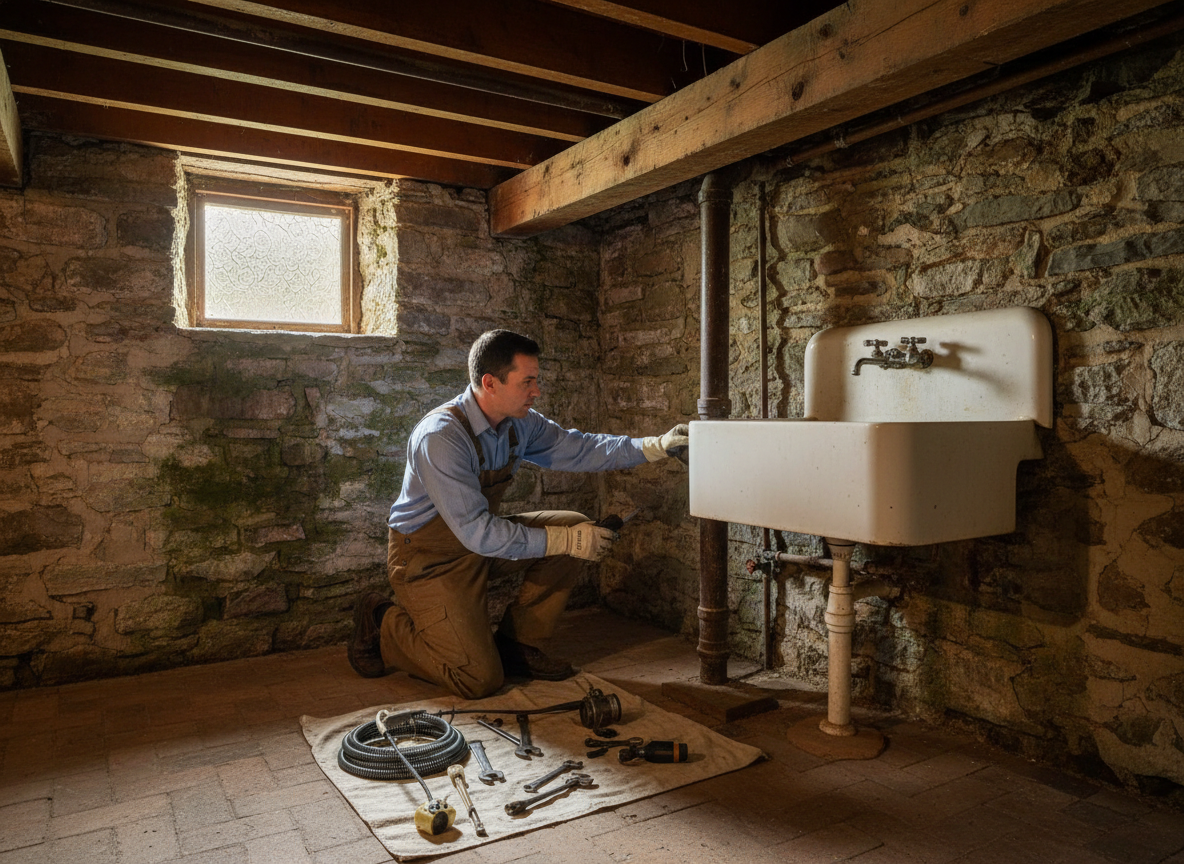
Maintaining drains in historic Louisville homes begins with recognizing that many properties built before 1950 rely on clay or cast iron lines that narrow over time and invite buildup from daily use. These systems differ from modern PVC because joints can shift with soil movement common along the Ohio River valley, leading to slower flow rather than sudden blockages. Homeowners who schedule periodic visual checks of accessible traps and avoid chemical cleaners preserve the original fixtures while reducing the chance of leaks into basements or crawl spaces.
Recognizing Original Pipe Materials
Louisville neighborhoods such as the Highlands and Old Louisville contain homes with clay sewer laterals installed in the early 1900s that crack under pressure from nearby tree roots. Cast iron stacks inside the house often show interior rust scaling that catches grease and hair, narrowing the diameter by up to half within fifty years. A homeowner can identify these materials by examining cleanouts or basement pipes for orange-brown corrosion versus the smooth gray of clay. Documenting pipe locations on a simple sketch helps future work crews avoid unnecessary excavation around foundation plantings. Regular observation of slow drains in multiple fixtures points to main line restrictions rather than isolated fixture problems.
Managing Tree Root Intrusion
Mature maples and oaks planted decades ago near historic foundations send roots toward moisture in sewer lines, especially in the loamy soils of Jefferson County. Tree roots and sewer lines in the Highlands explains how to spot early warning signs such as gurgling toilets after rainfall. Mechanical root cutting provides temporary relief, yet roots return unless the line is lined or replaced. Homeowners can limit new root growth by choosing shallow-rooted shrubs when landscaping near sewer cleanouts and by keeping gutters clear so water does not pool near the foundation.
Seasonal Drain Care in Kentucky Weather
Mild winters still bring occasional freezes that expand water left standing in exterior cleanouts or low-lying traps. Preventing frozen drains during Louisville winters outlines insulating exposed pipes and allowing faucets to drip during rare cold snaps. Hot, humid summers increase grease flow from cooking and encourage bacterial growth inside lines, so running hot water after each meal and using enzyme treatments monthly keeps organic matter moving. Fall leaf debris can enter roof drains connected to older combined systems, creating surface clogs that back up into yard cleanouts.
Inspection and Cleaning Routines
A sewer camera inspection reveals bellies, cracks, and root masses without excavation, allowing targeted maintenance instead of full replacement. Homeowners benefit from annual camera checks on lines older than sixty years, especially after major storms that shift soil. Main sewer line cleaning removes decades of scale using methods suited to fragile clay rather than high-pressure approaches that could fracture joints. Between professional visits, mechanical snakes used gently at fixture traps clear minor buildup while avoiding the main line where aggressive tools risk damage.
Protecting Historic Fixtures During Maintenance
Original porcelain sinks and claw-foot tubs connect to smaller-diameter traps that clog faster than modern wide-mouth designs. Removing and cleaning these traps by hand every six months prevents pressure buildup that can crack aged pipes downstream. Avoid plungers on heritage toilets because the force can dislodge wax seals or shift vent stacks in balloon-framed walls. When a clog resists simple methods, stop and note the fixture locations so a referral technician can address the issue through the nearest cleanout rather than forcing tools through delicate bends.